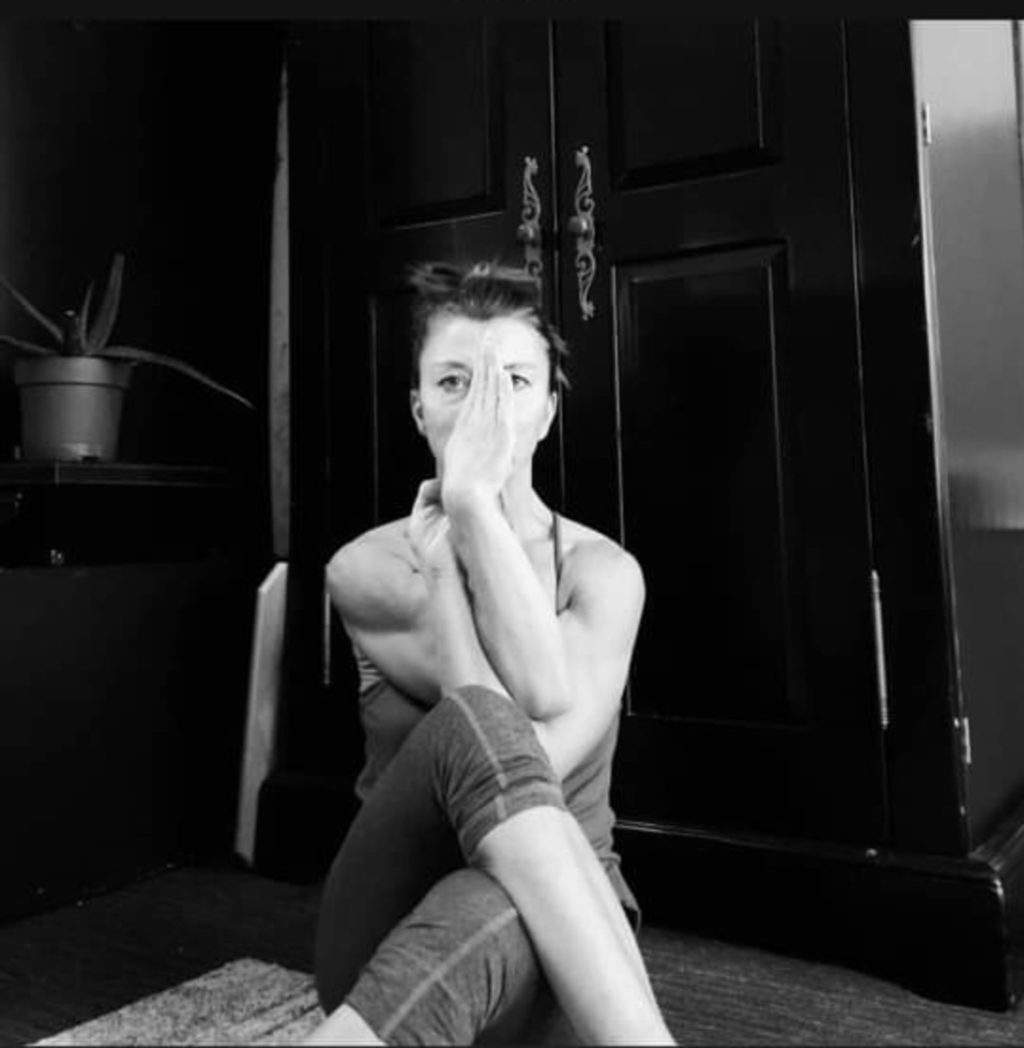
Pip: Connie Oliwa CYT, RHN — the kind of credential stack that means someone has genuinely done the work, and today the work is about something you have been doing your entire life without thinking about it: breathing.
Mara: agestronglivewell brings us into the mechanics of that — how breath and core strength are actually the same conversation, and why that connection matters for your back, your posture, and how you move day to day. Let's start with the breath and core connection.
The Breath and Core Connection
Pip: The framing here is not what most people expect. This is not about crunches or planks — it is about pressure management, and the diaphragm as the roof of a system that includes your spine, your pelvic floor, and everything in between.
Mara: The post sets up the mechanics directly: "When you inhale, the descent, your diaphragm contracts and moves downward. Your belly and lower ribs expand 360 degrees, and your pelvic floor naturally relaxes and lengthens downward to accept the pressure."
Pip: So the pelvic floor is not just along for the ride — it is actively coordinating with the diaphragm on every single breath. That changes how you think about what a "core workout" even means.
Mara: Right, and the post names three practical consequences of getting that coordination right. First, intra-abdominal pressure: coordinated breathing builds what the post calls a safe, functional pressure inside your core cavity to protect your lower back during movement. Second, spinal support — when the diaphragm and deep core time their movements correctly, they stabilize the spine. Third, reduced pain from correcting a dysfunctional breathing pattern.
Pip: Thirty-five years of client work distilled into four signs your core is not pulling its weight — and "fatigue" being on that list alongside back pain and poor posture is the one most people miss.
Mara: The post is specific: shortness of breath, or the inability to hold the midsection firm without effort or pressure on the back, signals an untrained core. The transverse abdominis, multifidus, and pelvic floor are all implicated — not just the muscles you can see.
Pip: Fifteen minutes a day for thirty days. That is the prescription offered, and honestly the specificity makes it feel more actionable than most core advice does.
Mara: It grounds everything in a timeline people can actually try.
Pip: Breathing as a verb, as the post puts it — something you do, something you can do better.
Mara: And when you do it better, the whole structure follows. More to come next episode.
 Connie Oliwa CYT, RHN