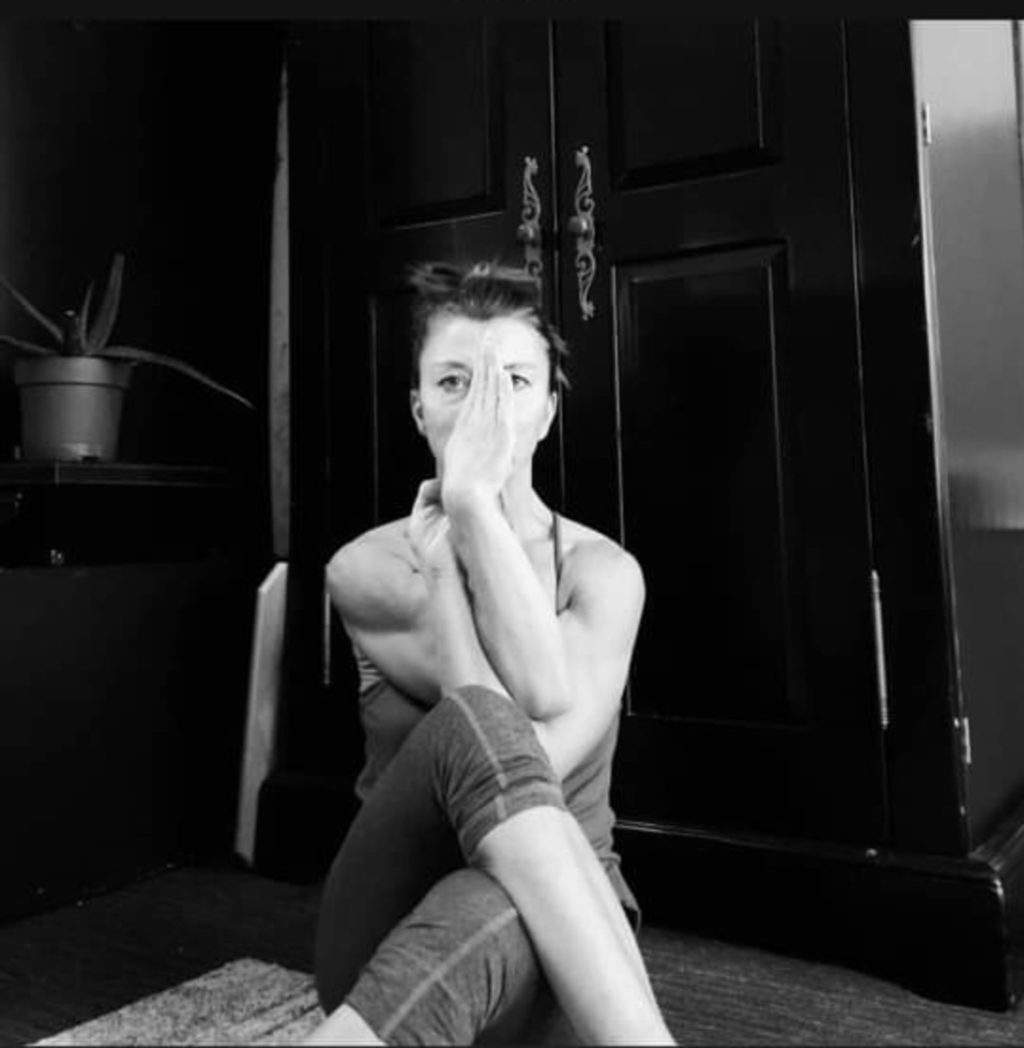
Pip: Connie Oliwa CYT, RHN — where the question isn't whether you should move better, but whether anyone ever explained what "moving better" actually means.
Mara: Today we're digging into a post from agestronglivewell on mobility — what it actually is, why it's distinct from plain flexibility, and why that distinction matters more as we age.
Pip: Let's start with what mobility really requires.
A Natural Approach To Mobility
Mara: The post opens by drawing a line most fitness content blurs: mobility isn't just flexibility. It's what you can actively do with your range of motion, under load, with control.
Pip: The definition the post lands on is worth reading directly: "mobility requires a combination of flexibility, joint health, motor control, and strength to stabilize the body during movement."
Mara: So the upshot is that stretching alone doesn't get you there. You can be loose and still unstable — which is actually a different kind of problem than being tight.
Pip: That's the part most people miss. Flexibility is a passive quality; mobility is what happens when your nervous system and your muscles show up at the same time.
Mara: The post breaks this into three components. Flexibility is the raw range. Stability is the muscular control to support your joints at the end of that range. And coordination is the neuromuscular connection that lets movement happen without compensation.
Pip: Compensation is the quiet villain of most movement problems — your body finds a workaround, and the workaround is what eventually breaks down.
Mara: On the practical side, the post names three reasons mobility matters: injury prevention by correcting muscle imbalances, improved performance through better form, and what it calls "functional aging" — maintaining the stamina and independence to handle daily tasks without stiffness or pain.
Pip: Functional aging. That phrase does a lot of work quietly.
Mara: It does. And the application is grounded: mobility work gets woven into warm-ups, cool-downs, or rest intervals. The specific recommendation is the Cat-Cow combination, building slowly to three minutes, paired with a variety of hip openers.
Pip: Low barrier, high return — which is usually the sign someone has actually thought it through rather than just programming for drama.
Mara: Mobility as a framework — not a warmup afterthought, but a genuine component of how the body stays capable over time.
Pip: Next time, we'll see what else that framework connects to. There's more ground to cover.
 Connie Oliwa CYT, RHN