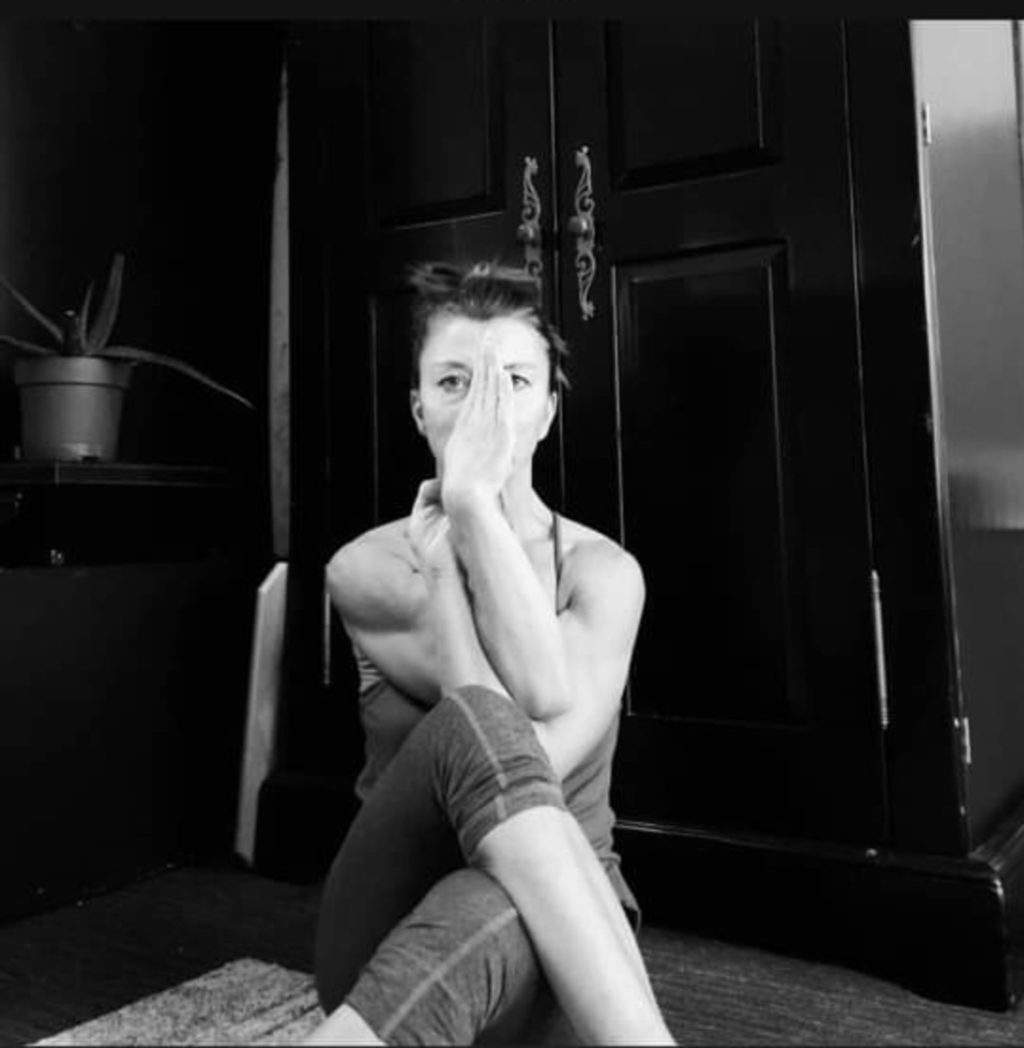
Pip: If you have ever tried to stand up from the floor and briefly reconsidered your life choices, this episode is for you.
Mara: Today we are looking at content from Age Strong Live Well, and the territory is mobility — what it actually is, why it is not the same as flexibility, and why it matters more as we age.
Pip: Let's start with what mobility really means and why the distinction matters.
A Natural Approach To Mobility
Mara: The question this post is really asking is: what separates someone who moves well from someone who just stretches a lot — and why does that gap close on you faster than you expect?
Pip: The post draws the line clearly. Here is the definition it opens with: "mobility is the ability to actively move a joint through its full, pain-free range of motion with control."
Mara: That word control is doing a lot of work. Passive flexibility means a muscle can be stretched. Mobility means you can actually use that range under tension, with the muscular stability to hold yourself there safely.
Pip: So touching your toes in a stretch is flexibility. Standing up from the floor without grabbing the wall is mobility.
Mara: Exactly — and the post breaks it into three components. Flexibility, which is the raw range. Stability, which is the muscular control to support your joints at the end of a movement. And coordination, described as the neuromuscular connection that lets your brain and muscles move fluidly without compensation.
Pip: Compensation is the quiet villain of aging movement — your body reroutes around a weak link until the reroute becomes the problem.
Mara: The post makes that case under injury prevention specifically, noting that proper mobility corrects muscle imbalances and prevents joints from being forced into unsafe positions. It also flags functional aging — maintaining the stamina and independence to handle daily tasks without stiffness or pain.
Pip: Which is the real stakes. Not aesthetics, not performance benchmarks — just being able to live in your body without negotiating with it.
Mara: On the practical side, mobility work is woven into client sessions during warm-ups, cool-downs, or rest intervals. The Cat-Cow combination, built slowly up to three minutes, is called out as a favorite, alongside a variety of hip openers.
Pip: Control, stability, coordination — the unglamorous trio that keeps everything else working.
Mara: Moving well is not a given. It is something you practice. More on that next time.
 Connie Oliwa CYT, RHN